


Materials Overview
Our jewelry may feature lab-grown alexandrite, ruby, sapphire, emerald, spinel, Paraiba YAG, and diamonds, set in selected precious metals. Each component is chosen for beauty, durability, optical performance, and suitability for the intended design.
The exact gemstone type, laboratory-grown origin, metal, specifications, and certificate availability are disclosed on the relevant product page or confirmed during the custom-design process.
Lab-Grown Colored Gemstones
Abbett offers a carefully selected range of laboratory-grown colored gemstones. These gemstones are grown in controlled laboratory environments using advanced crystal-growth techniques.
They are not glass, plastic, or simple color imitations. Each lab-grown gemstone belongs to the corresponding gemstone species and displays the defining gemological properties associated with that material. The primary difference is origin: lab-grown gemstones are created in a laboratory, while natural gemstones form within the earth.
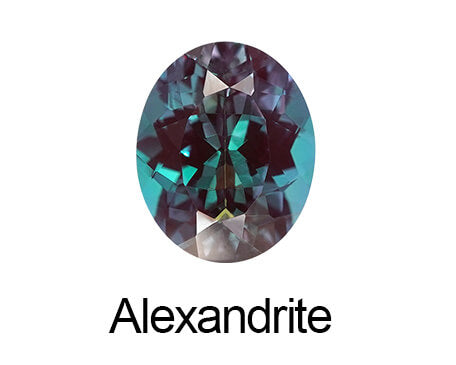
Lab-Grown Alexandrite
Known for its color-change effect, which may shift between green, teal, blue-green, violet, purple, red, and purplish-red tones under different lighting.
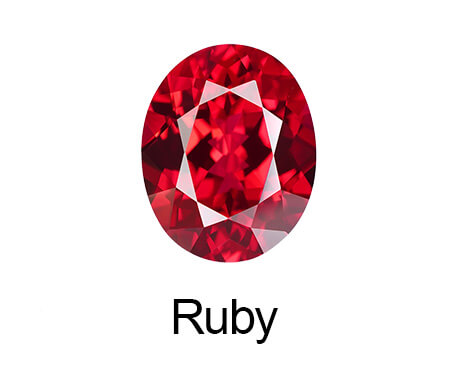
Lab-Grown Ruby
Selected for red color, brilliance, and durability. Individual stones may range from pinkish red and vivid red to purplish or deeper red tones.
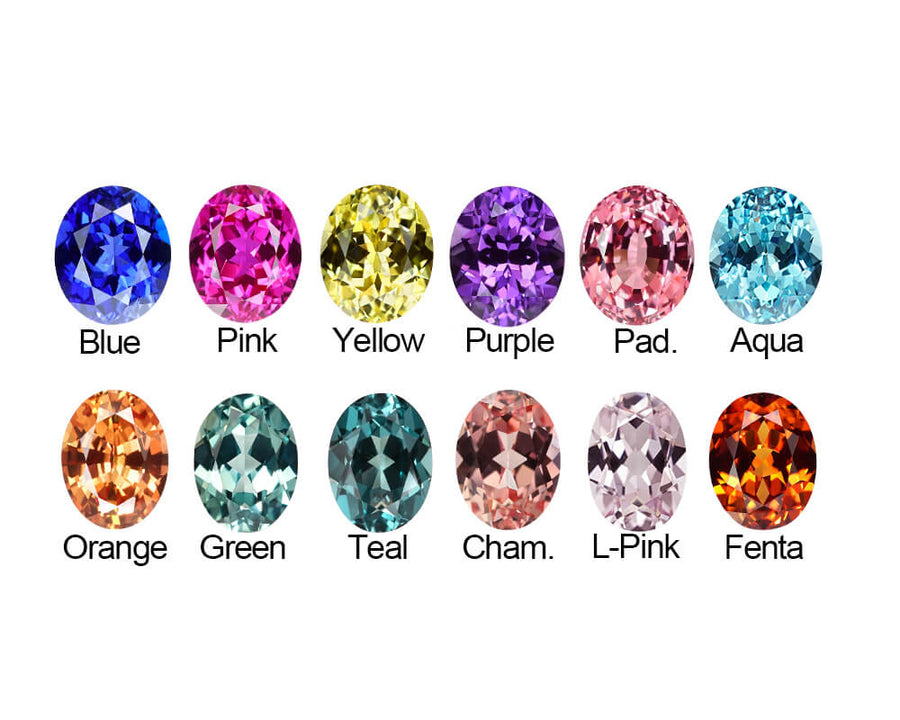
Lab-Grown Sapphire
Available in blue, pink, padparadscha, teal, aqua, yellow, orange, purple, and green. Exact tone, saturation, and appearance may vary with the individual stone, cut, lighting, metal color, and screen display.
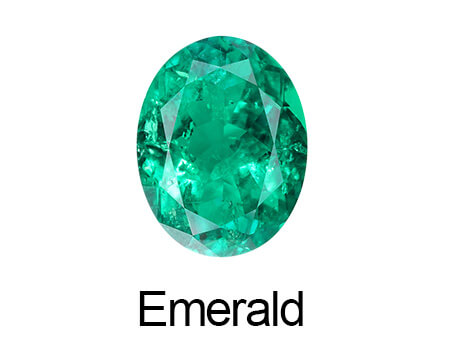
Lab-Grown Emerald
Valued for characteristic green color. Internal growth features may be visible and do not automatically indicate poor quality or damage.
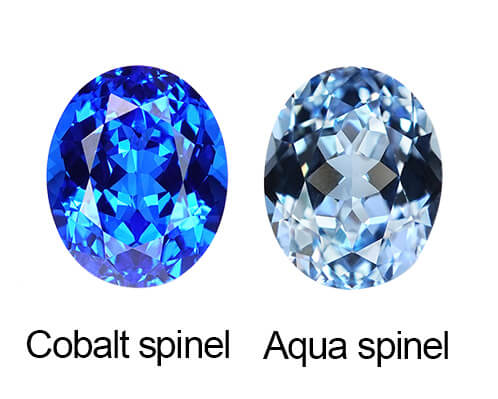
Lab-Grown Spinel
Available in two colors: cobalt blue and aquamarine. The exact shade may vary slightly according to the individual stone, cut, lighting, and screen display.
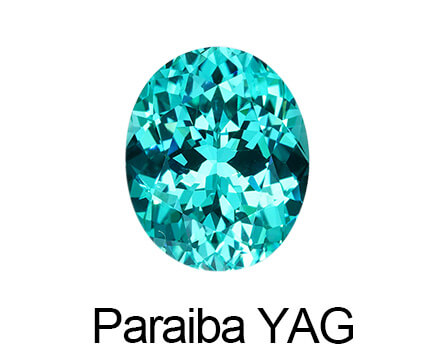
Lab-Grown Paraiba YAG
Selected for its vivid Paraiba-inspired blue-to-green appearance. Product descriptions identify this material as lab-grown YAG; it is not represented as natural Paraiba tourmaline.
Each gemstone is selected according to characteristics such as color, color distribution, clarity, cut quality, proportions, symmetry, surface condition, brilliance, optical performance, and suitability for the intended jewelry design.
Because gemstones are individually grown and cut, minor variations in color, clarity, dimensions, inclusions, and appearance are normal.
Lab-Grown Diamonds
Where stated on the product page, Abbett jewelry may feature lab-grown diamonds as center stones, accent stones, or both.
Lab-grown diamonds are diamonds created in a controlled laboratory environment rather than formed through geological processes in the earth.
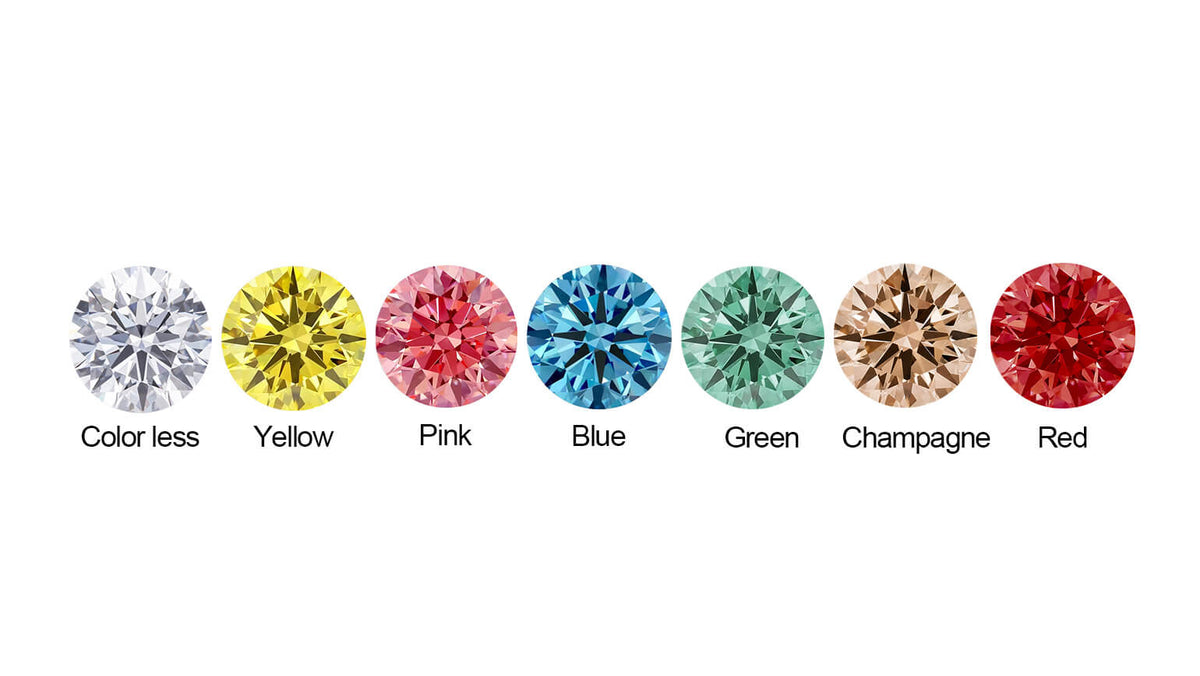
Each diamond is selected according to the requirements of the design, which may include carat weight, measurements, shape, cutting style, color, clarity, proportions, symmetry, and overall visual appearance.
The specific diamond details and certificate availability will be shown on the product page, certificate, order confirmation, or custom-design documentation where applicable.
Small accent diamonds and melee stones generally do not include separate individual grading reports unless specifically stated.
Precious Metals
Abbett jewelry is available in selected precious metals depending on the design. Options may include 9K, 10K, 14K, or 18K gold, as well as platinum.
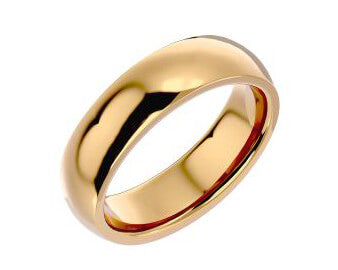
Yellow Gold
A traditional warm tone. Shade may vary slightly with karat, alloy composition, polishing, and lighting.
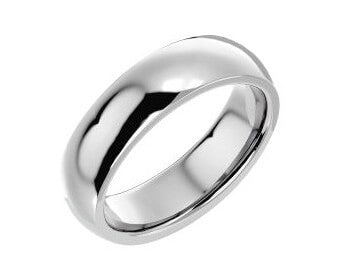
White Gold
Often finished with rhodium plating for a brighter white appearance. Gradual plating wear is normal maintenance.
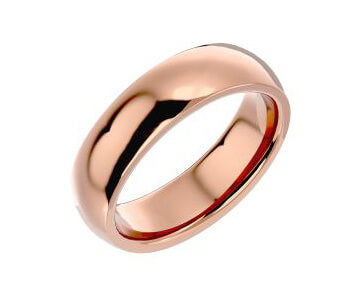
Rose Gold
Its pink or rose tone comes from the alloy composition and may vary with karat and lighting.
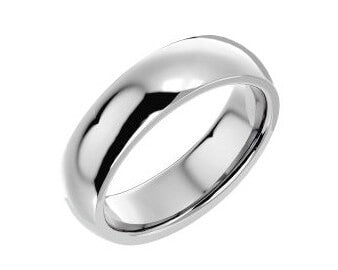
Platinum
Naturally white and substantial. It may develop a soft patina through normal wear.
Metal Purity Marks
Where size and local requirements allow, pieces may be marked 375, 417, 585, 750, Pt950, or another applicable stamp.
Design Availability
Not every design is available in every metal, color, or purity. Order documents confirm the selected option.
Precious Metal Composition
Gold used in fine jewelry is blended with selected alloying metals to improve strength, durability, color, and workability. The karat or fineness mark indicates the approximate proportion of pure gold in the finished alloy, not the color of the metal.
9K Gold · 375
37.5% pure gold blended with selected alloying metals.
10K Gold · 417
41.7% pure gold blended with selected alloying metals.
14K Gold · 585
58.5% pure gold, balancing gold content and everyday durability.
18K Gold · 750
75% pure gold with alloying metals added for jewelry strength.
Platinum · Pt950
95% platinum blended with compatible alloying metals.
Alloying Metals
Depending on the required color and technical properties, gold alloys may include metals such as silver, copper, zinc, palladium, or other suitable components. White gold may also receive a rhodium-plated finish.
Important: Exact alloy composition, purity, color, and plating may vary by product, design, production batch, and supplier. The product details and order documentation confirm the metal selected for a specific piece.
Certificates Overview
A grading or identification report is included only when it is stated on the product page, listed in the product specifications, confirmed in the order documentation, or agreed as part of a custom order.
Not every gemstone or diamond automatically includes an individual certificate. Smaller accent stones, pave stones, halo stones, and melee stones are generally selected and inspected as part of the finished jewelry rather than individually certified.
Customers who require a certificate for a particular stone should confirm certificate availability before placing the order.
Optional Finished Jewelry Certification
Eligible finished-jewelry products may offer an optional independent report after the piece has been completed. On the product page, choose Finished jewelry certification and select one of the available options:
No report
No additional finished-jewelry report or certification fee is added. Any center-stone report expressly included in the product details remains unchanged.
IGI report · +US$80
The completed jewelry is submitted for the selected IGI finished-jewelry report. This service adds 7 days to the production time.
GRC report · +US$50
The completed jewelry is submitted for the selected GRC finished-jewelry report. This service adds 7 days to the production time.
Finished-jewelry report examples
IGI jewelry reports


GRC jewelry reports


Sample reports are shown for reference only. The final report format and content may vary according to the finished piece and the issuing laboratory.
Important: A finished-jewelry report applies to the completed piece and is separate from an individual center-stone grading or identification report. Availability is shown on the relevant product page. The selected report type, fee, and additional production time are confirmed in the cart and order documentation.
IGI Diamond Reports
Qualifying lab-grown diamonds may be accompanied by a report issued by the International Gemological Institute, commonly referred to as IGI.
Depending on the report and stone, the information may include laboratory-grown origin, shape, measurements, carat weight, color and clarity grades, cut-related information, polish, symmetry, fluorescence, comments, identifying characteristics, and a unique report number.
Important: An IGI report is included only when expressly stated for the relevant diamond or product.

GRC Gemstone Reports
Qualifying lab-grown colored center stones may be accompanied by a GRC report when this is expressly stated on the product page, invoice, order confirmation, or custom-order documentation.
This may include qualifying lab-grown alexandrite, ruby, sapphire, emerald, spinel, and Paraiba YAG.
Depending on the gemstone and report type, the report may include gemstone identification, laboratory-grown or synthetic origin, gemstone species or variety, shape, measurements, weight, color description, transparency, testing observations, and a unique report number.
Important: A GRC report is not automatically included with every colored gemstone or every piece of jewelry.

What Certificates Mean
A gemstone or diamond report records the issuing laboratory's findings for the submitted stone at the time of examination. It may help confirm gemstone identity, laboratory-grown origin, measurements, weight, selected quality characteristics, and a report identification number.
A certificate or grading report is not a guarantee of future market value, a jewelry appraisal, a resale-price guarantee, an insurance valuation, a guarantee against damage, a substitute for proper jewelry care, or an extension of Abbett's return or warranty coverage.
The issuing laboratory is responsible for the statements contained in its report.
Certificate Care
Certificates and grading reports should be stored separately from the jewelry in a secure and dry location. Customers should retain the original certificate or report, order confirmation, invoice, warranty information, jewelry photographs, and any appraisal or insurance documents.
If a certificate is lost or damaged, replacement is not always possible and may require new laboratory testing, regrading, shipping, insurance, administrative processing, and payment of laboratory or replacement fees.
Quality Inspection
Before dispatch, Abbett jewelry is inspected according to the requirements of the piece. The inspection may include confirming the ordered gemstone and selected metal, checking gemstone measurements and visible characteristics, inspecting setting security, reviewing polishing and alignment, confirming ring size and engraving, and confirming that applicable certificates and accessories are included.
Certificates support this process but do not replace Abbett's inspection of the completed jewelry.
Natural Variations and Handmade Details
Although lab-grown gemstones are created in controlled environments, individual stones may still show differences in color, tone, saturation, clarity, internal growth features, cut proportions, brilliance, fluorescence, color-change strength, and appearance under different lighting or screen settings.
Hand-finished jewelry may also show small variations in metal shade, surface finish, symmetry, and fine details. Reasonable variation is part of individually grown, cut, selected, and hand-finished jewelry and is not automatically considered a defect.
Frequently Asked Questions
Does every Abbett gemstone include a certificate?
No. A certificate is included only when stated on the product page, listed in product specifications, confirmed in order documentation, or agreed as part of a custom order.
Can I add a report for the finished jewelry?
When the product page offers the Finished jewelry certification option, you may choose No report, an IGI report for an additional US$80, or a GRC report for an additional US$50. Selecting either report adds 7 days to production.
Which spinel colors does Abbett offer?
Abbett offers lab-grown spinel in cobalt blue and aquamarine only.
Is Lab-Grown Paraiba YAG natural Paraiba tourmaline?
No. Abbett identifies this material as lab-grown YAG with a Paraiba-inspired blue-to-green appearance. It is not represented as natural Paraiba tourmaline.
Do accent diamonds include individual reports?
Small accent diamonds and melee stones generally do not include separate individual grading reports unless specifically stated.
Questions Before Ordering
For questions about a gemstone, metal, certificate, or custom material request, contact Abbett before ordering.
Please include the product link, product name, or order number so that we can confirm the exact material and certificate details.