


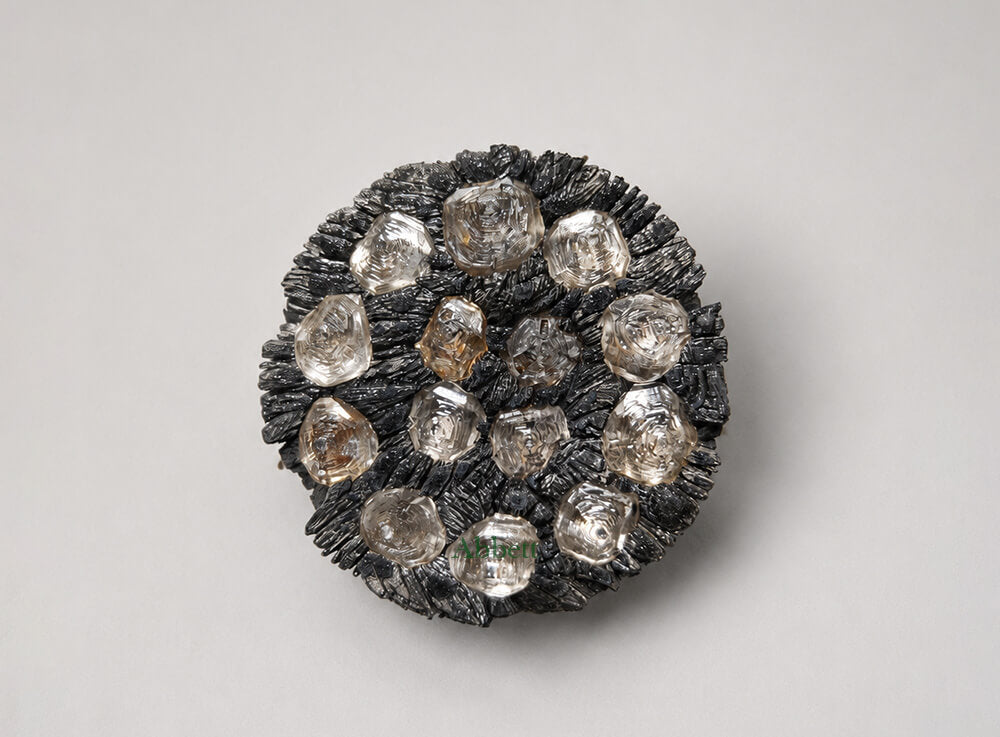
High pressure, high temperature
HPHT
HPHT recreates the intense pressure and heat associated with natural diamond formation. A small diamond seed is surrounded by a carbon source, allowing a larger diamond crystal to grow around it.

Lab-grown diamonds are real diamonds created in advanced laboratories rather than mined from the earth. They share the same carbon crystal structure, hardness, brilliance and optical properties as natural diamonds. The difference is not what they are—but where their story begins.
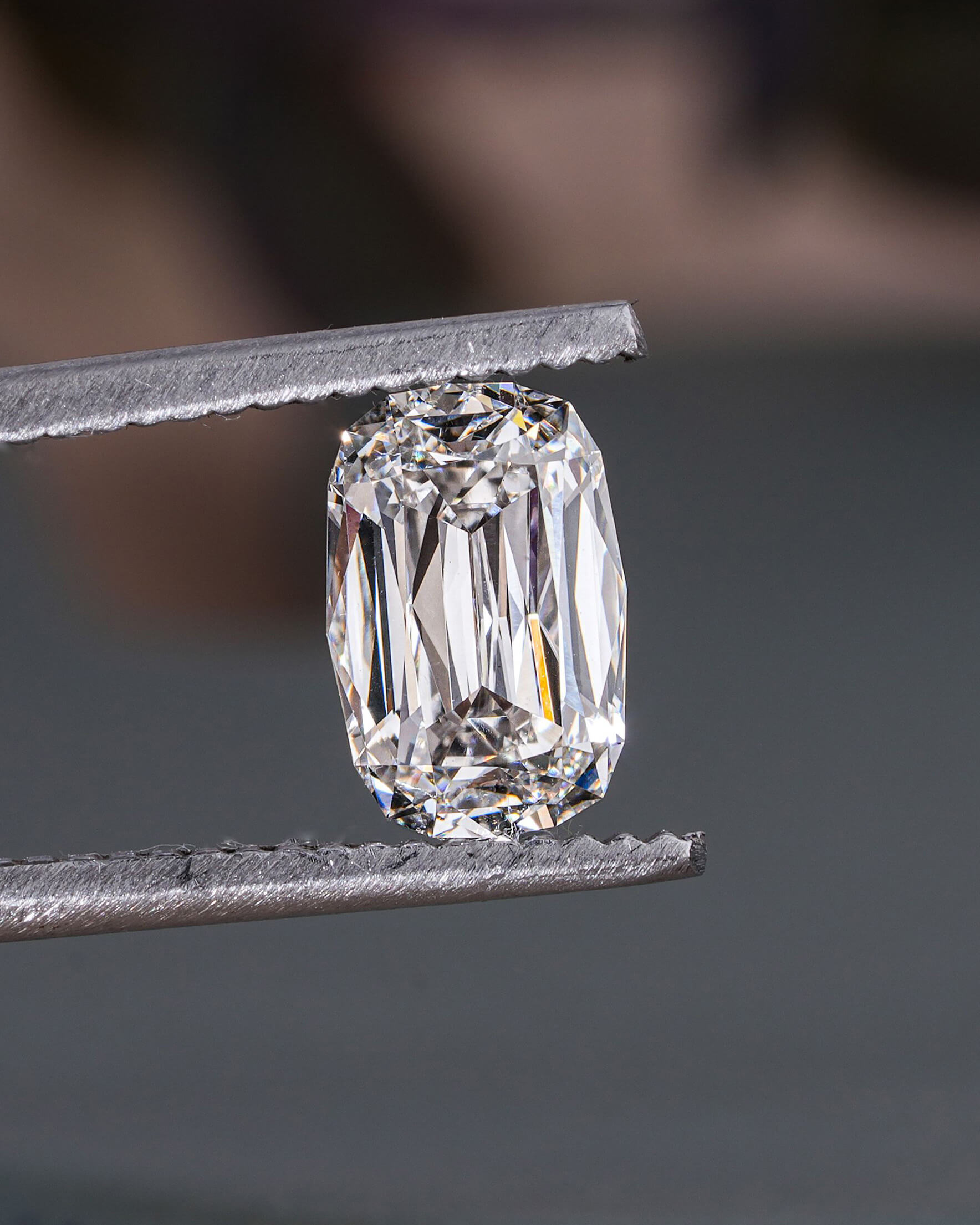
A lab-grown diamond is a diamond produced in a controlled environment using technology that recreates the conditions under which diamonds form in nature.
Both lab-grown and natural diamonds are composed of crystallized carbon. They have the same hardness, fire and brilliance, and generally require professional gemological equipment to distinguish their origin.
Lab-grown diamonds are not cubic zirconia, moissanite or diamond simulants.
Two established technologies create lab-grown diamond crystal. Growth method alone does not determine a diamond’s beauty or overall quality.
HPHT recreates the intense pressure and heat associated with natural diamond formation. A small diamond seed is surrounded by a carbon source, allowing a larger diamond crystal to grow around it.
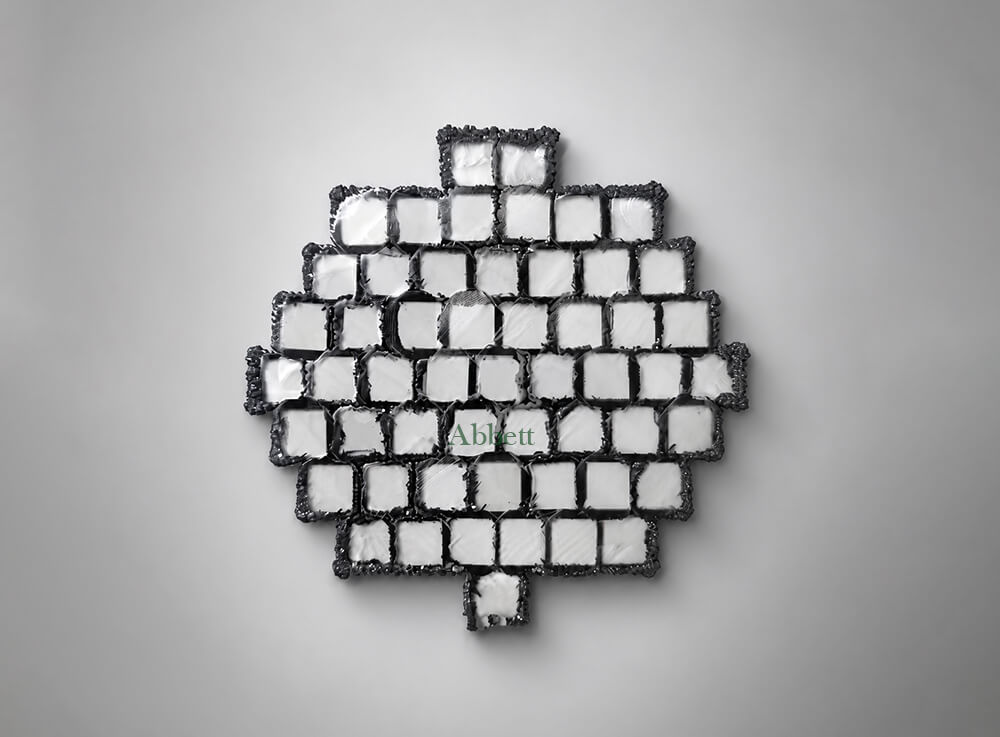
CVD places a diamond seed inside a controlled chamber filled with carbon-rich gas. Carbon atoms gradually settle onto the seed, forming the diamond layer by layer.
Both methods produce lab-grown diamond crystal. The technology and growth environment differ, but method alone does not determine the beauty or quality of the finished diamond.
Both methods begin with a small diamond seed that provides the foundation for crystal growth.
Both create crystallized carbon with the hardness, brilliance and optical properties associated with diamond.
Finished stones can be cut, polished and graded using the same 4Cs applied to natural diamonds.
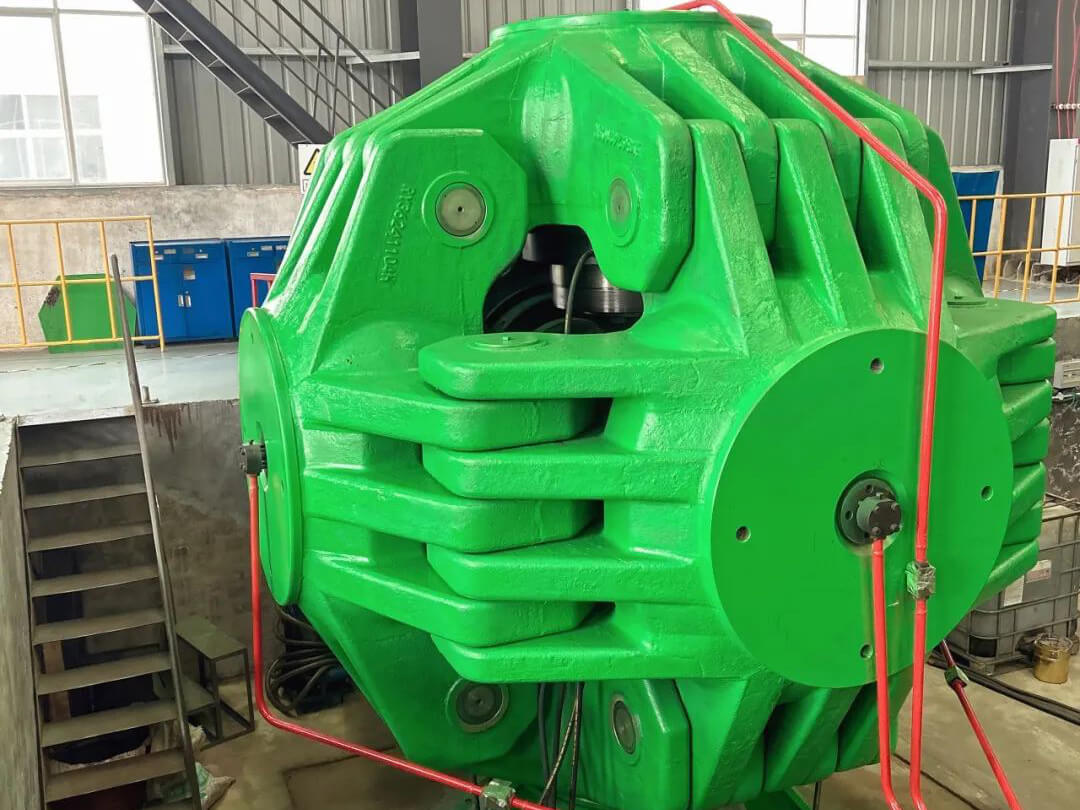
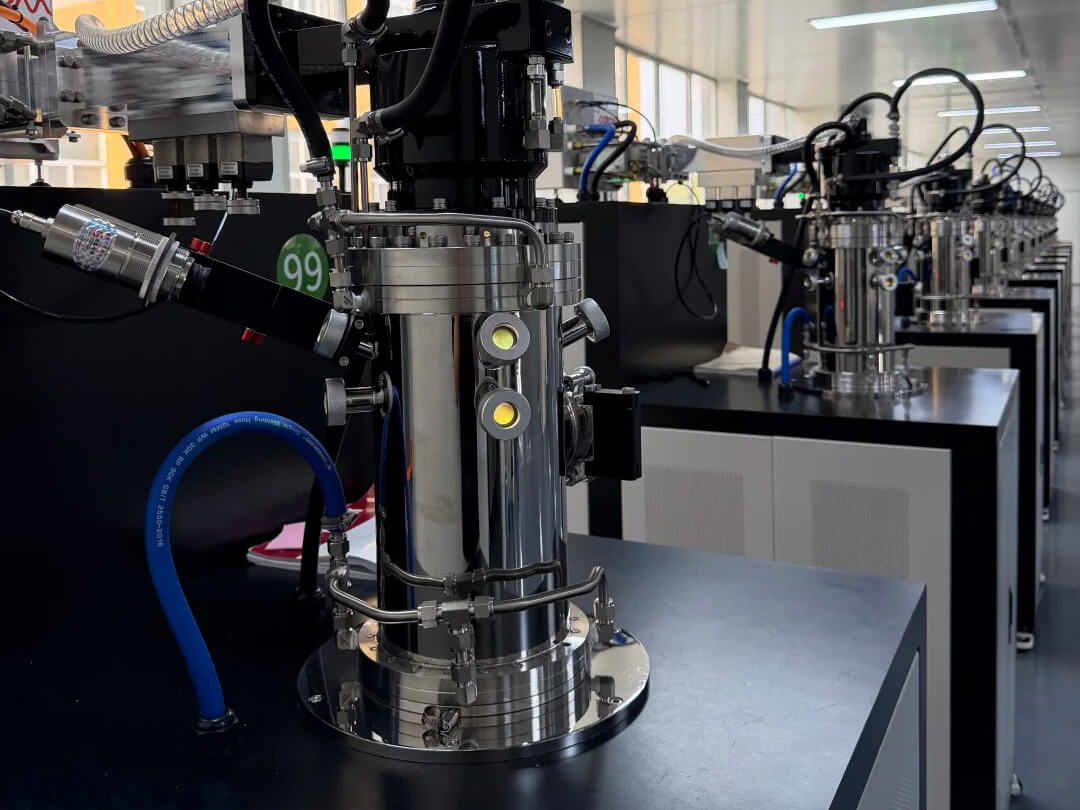
After growth, skilled planning and precision craftsmanship transform a rough diamond crystal into a finished stone with brilliance, symmetry and lasting beauty.
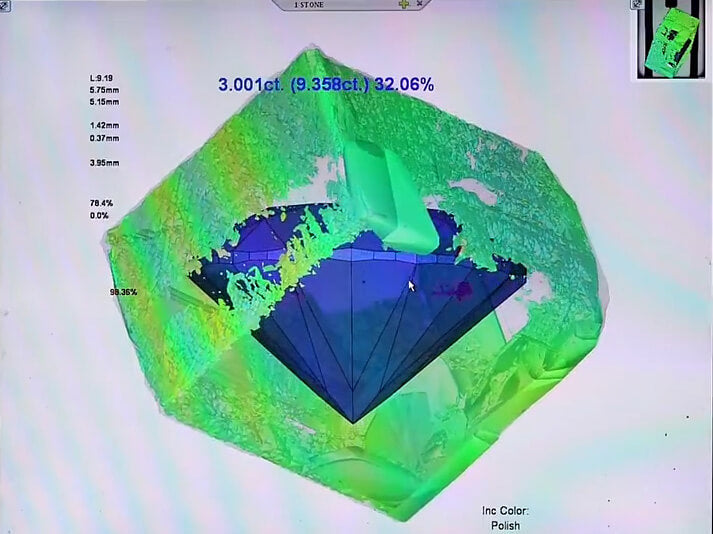
The rough crystal is mapped and assessed to determine the best shape, proportions and use of the material.
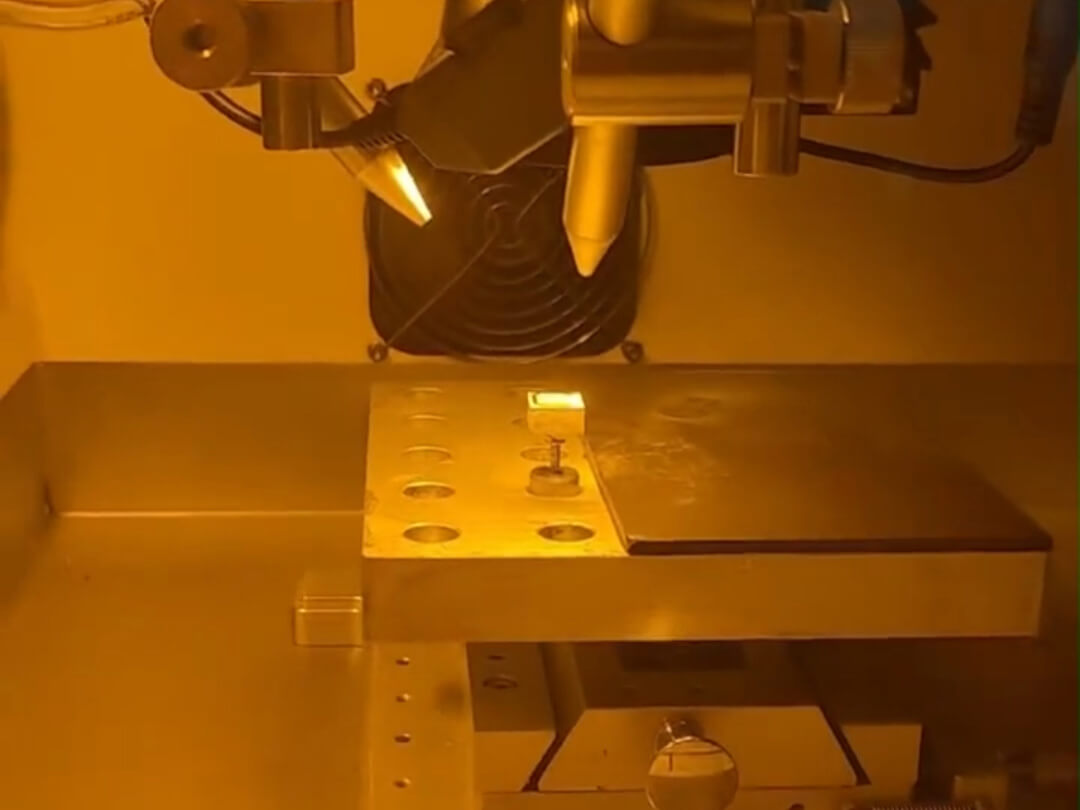
Precision equipment divides and shapes the crystal according to the approved cutting plan.
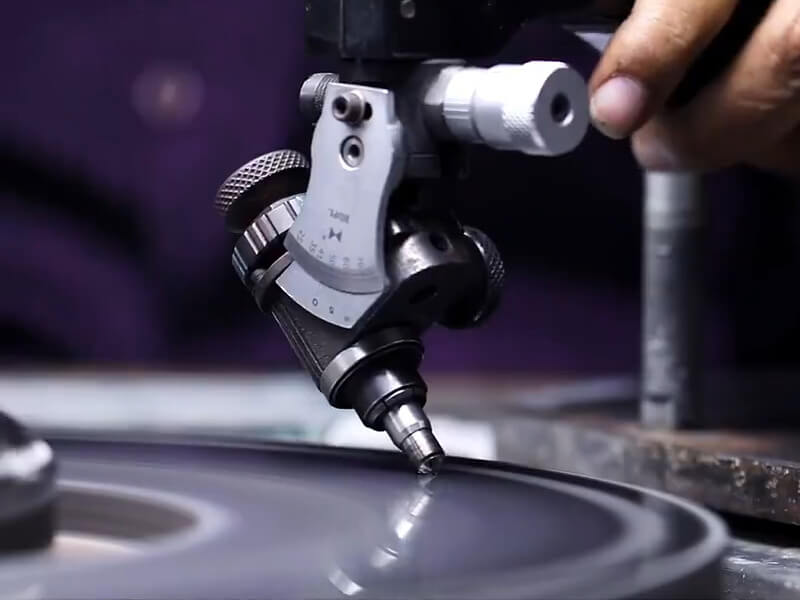
Each facet is carefully cut and polished to create symmetry, brightness, fire and scintillation.
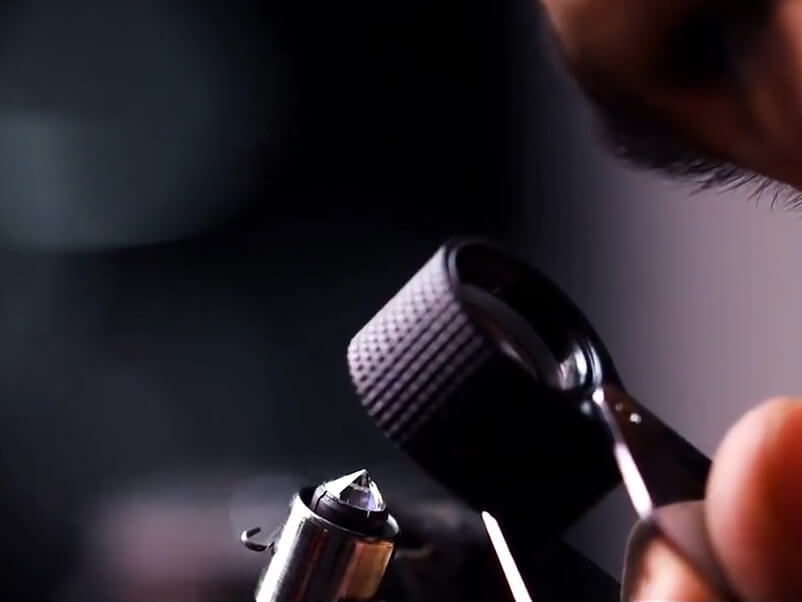
The finished diamond is examined for measurements, polish, symmetry and overall visual performance.
Their physical and optical properties are the same. Their principal difference is origin.
Selected for brilliance, proportion and lasting beauty.
Choose a larger or higher-quality diamond within your preferred budget.
Independent grading reports are available for eligible center stones.
A clearly identified, above-ground origin.
Select your preferred shape, size, quality and setting.
Continued care and support after your jewellery is delivered.
Cut, color, clarity and carat work together to define a diamond’s appearance and value.
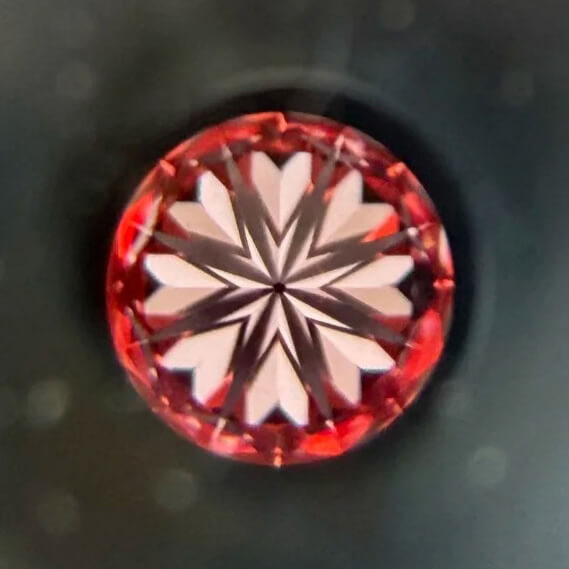
Cut has the greatest influence on brilliance, fire and sparkle.
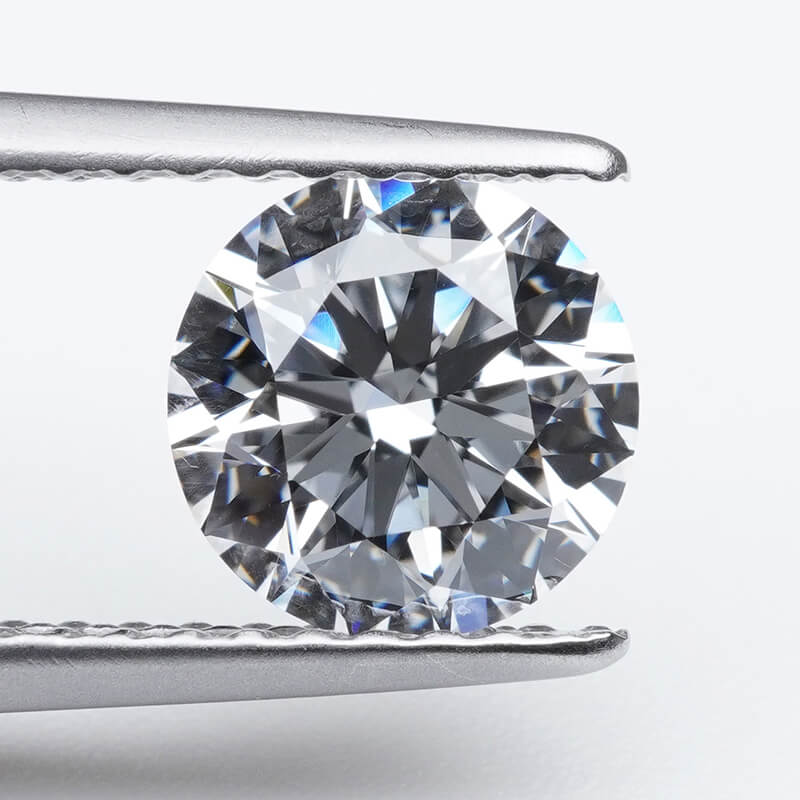
Grades closer to colorless generally appear brighter and whiter.
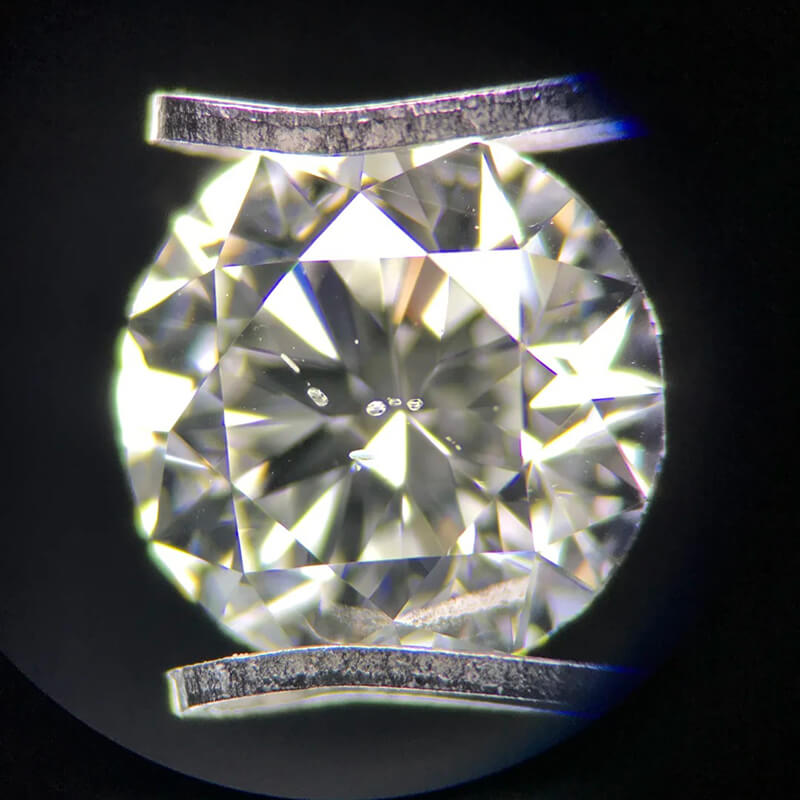
Many inclusions are microscopic and cannot be seen without magnification.
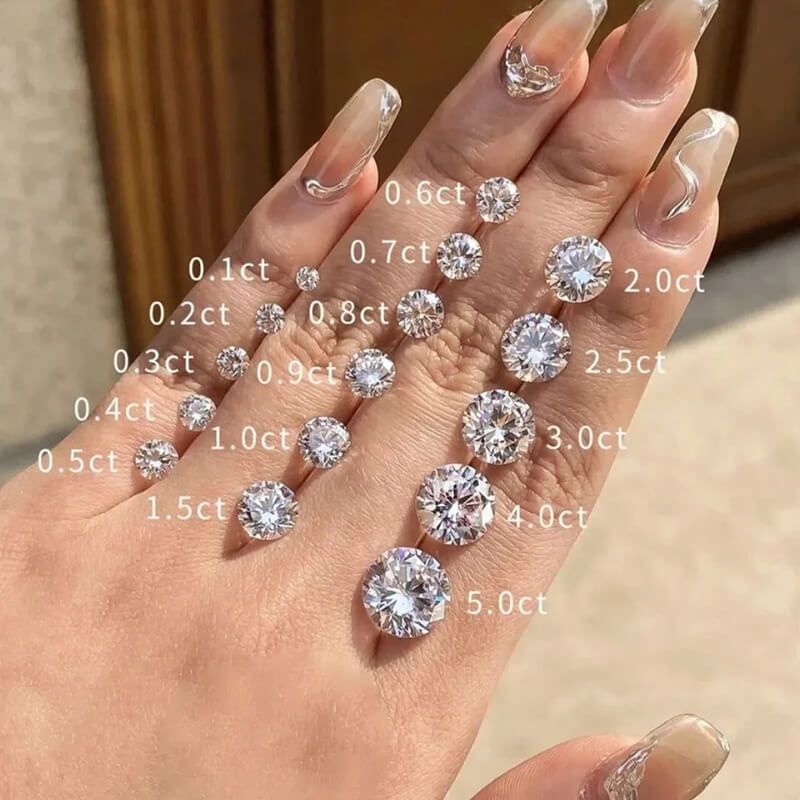
Carat measures weight; shape and proportions influence visible size.
An independent grading report records the identifying and quality characteristics of a diamond. Depending on the stone, it may include carat weight, measurements, proportions, color and clarity grades, cut grade, growth method, treatments, report number and laser inscription.
Abbett offers independently graded center diamonds where specified. Certification details should always be confirmed on the individual product page or during the custom design process.
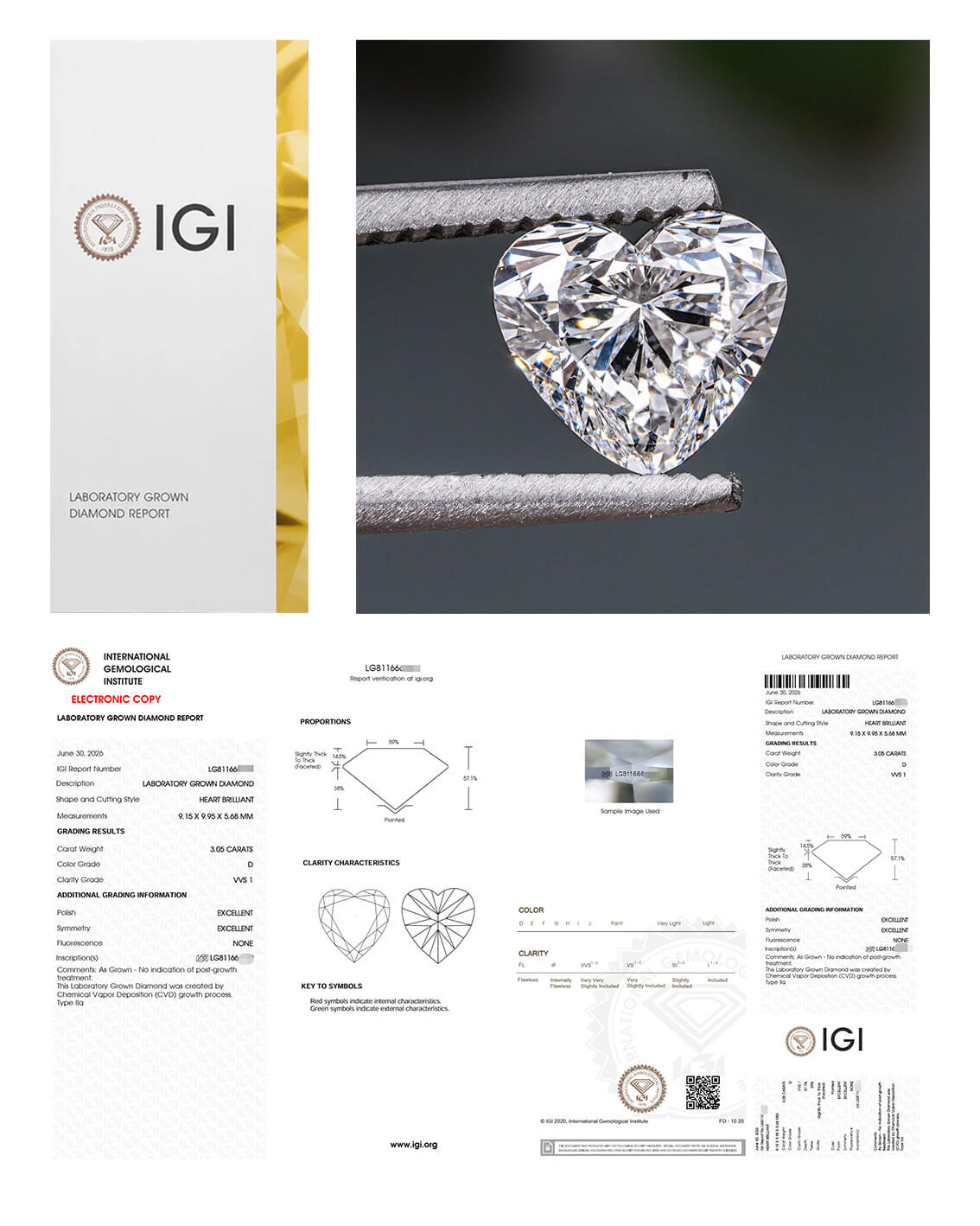
Prioritize a well-cut diamond for brightness and visual life.
Choose grades that appear clean and bright to the unaided eye rather than focusing only on the certificate.
Consider shape, measurements and setting style together—not carat weight alone.
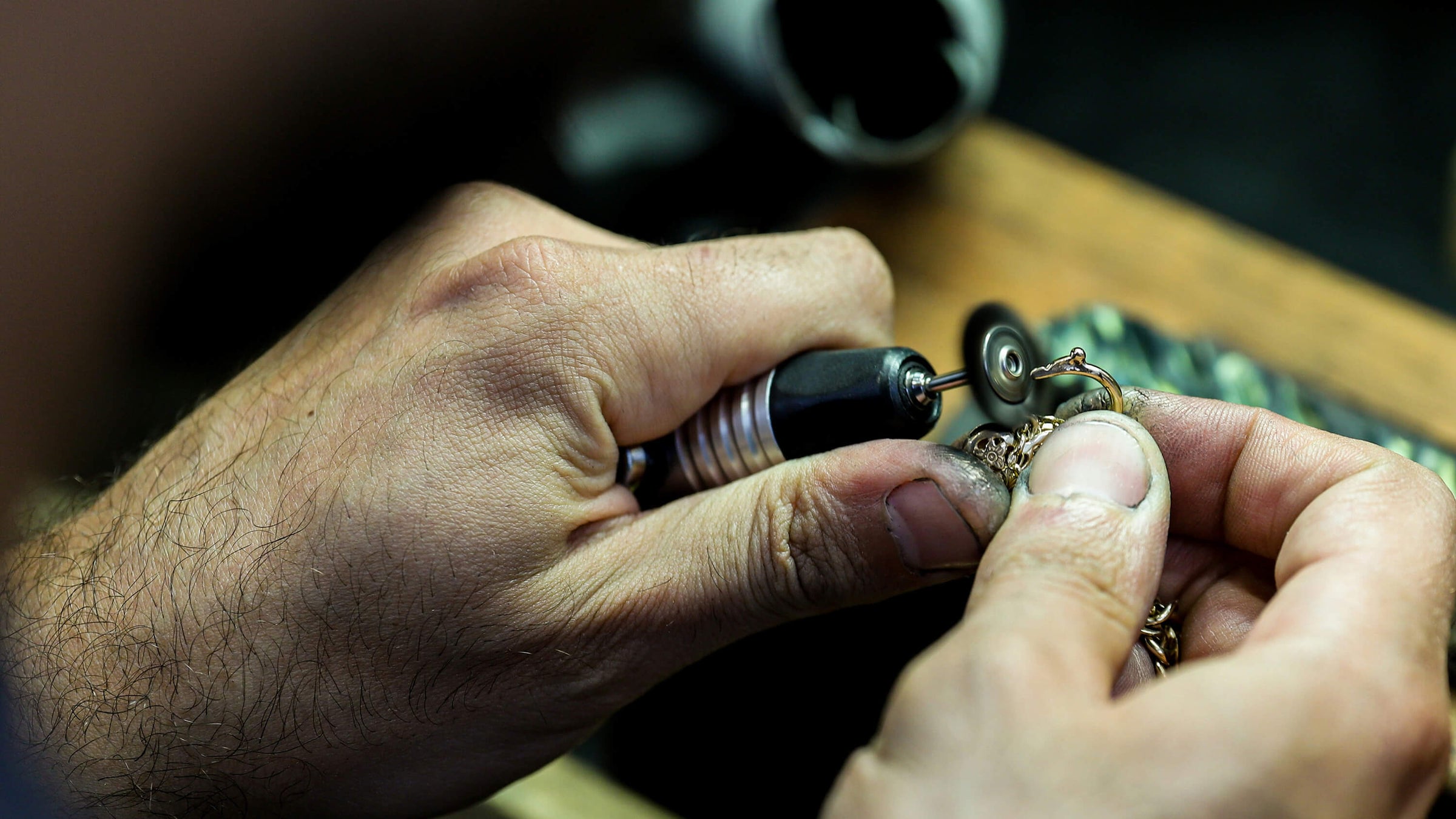
Choose your diamond, refine every detail and work directly with our jewellery team to create a piece designed around your story.
Demati supplies products listed on the Demati, and Demati websites, and in our stores under the following Terms and Conditions. Please read these Terms and Conditions, and our Privacy and Cookie Policies carefully before using any of our websites, or ordering from us.
The Terms and Conditions apply to your use of any Demati website and to any products you purchase from them; regardless of how you access the website, including any technologies or devices where our website is available to you at home, on the move or in store
We reserve the right to update these Terms and Conditions at any time, and any updates affecting you or your purchases will be notified to you, by us in writing (via email), and on this page.
The headings in these Conditions are for convenience only and shall not affect their interpretation.
We recommend that you print and keep a copy of these Terms and Conditions for your future reference...